To spread the original, universal and eternal truth, path or law of yoga, which remains forever the same in essence, yet always adapts to the time and place.
|
To spread the original, universal and eternal truth, path or law of yoga, which remains forever the same in essence, yet always adapts to the time and place. |
|
Leela is nothing less
than the game of life and karma
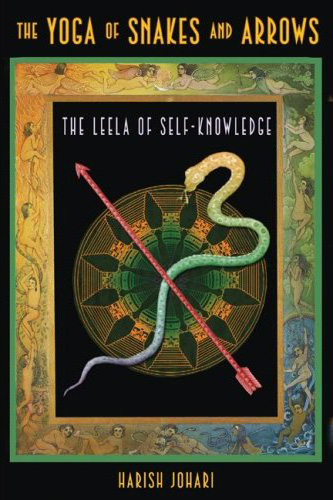
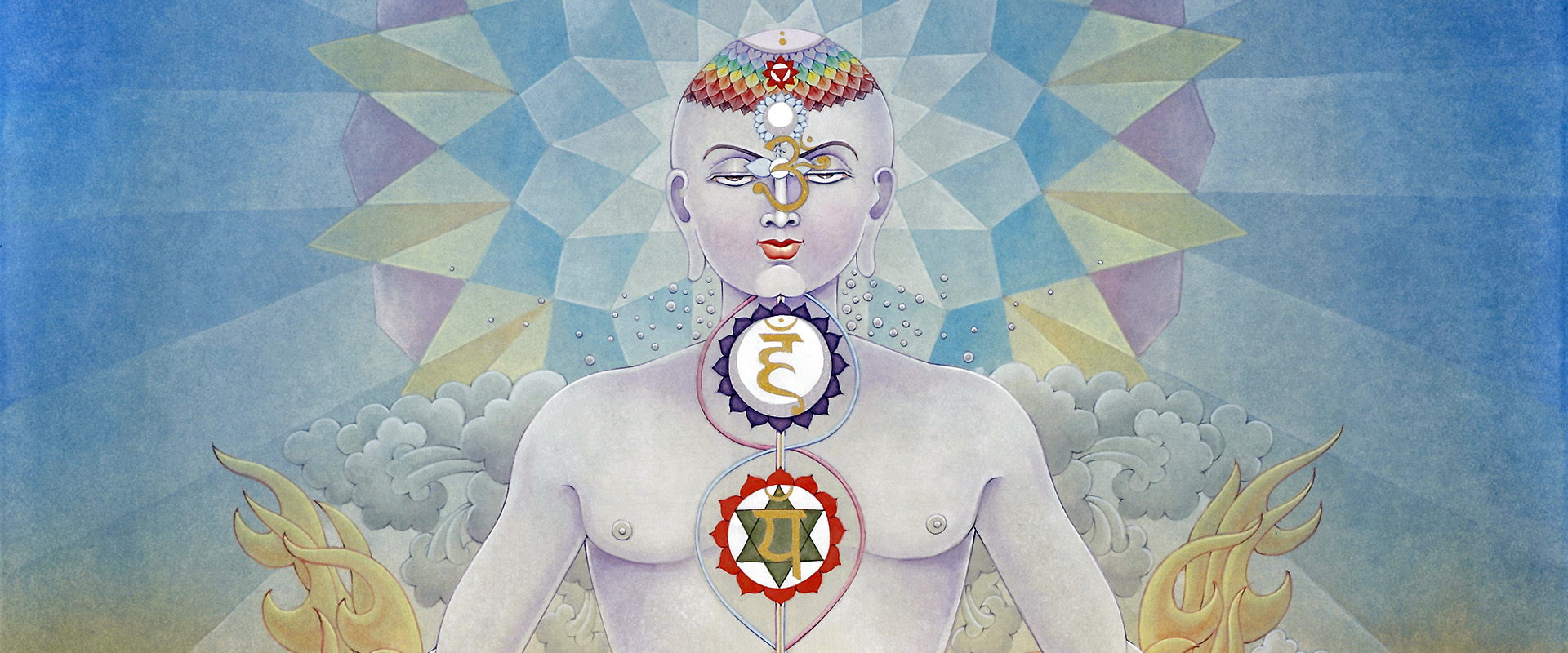
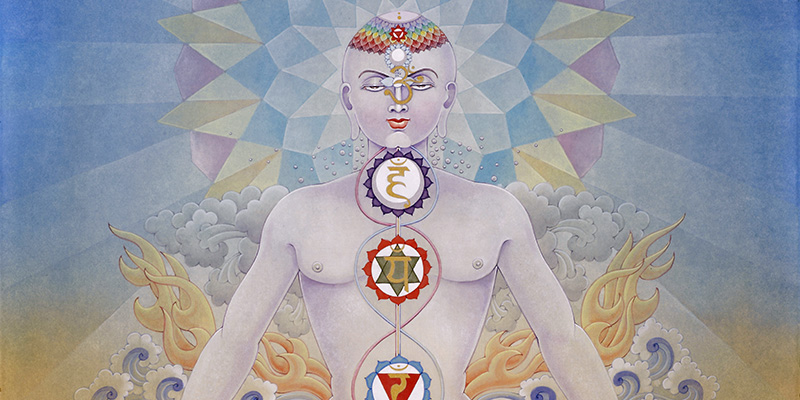
Four things are necessary for one or more to play Leela: the Leela book and game board, a die (of karma) and a significant object that belongs to the player, such as a ring, to serve as the player's symbol during the game. Each of the seventy-two squares on the board of Leela represents a virtue or vice, an aspect of human consciousness or a plane of being. The players' progress is dictated by the fall of a die corresponding to the forces of karma. The seven planes through which the player must pass before he reaches the eighth plane - the plane beyond all planes - are the seven chakras. Leela is not merely an entertainment but a serious method of understanding the phenomenal world of Maya (Illusion), and the spiritual nature of our individual self that leads us to the journey towards liberation. The saints who invented this game used the game-board to recognize the present state of their own being. By playing the game time and again they consciously observed which snake brought them down and which arrows took them up. Observing their own inner self, they could tell whether they had understood what it is to be not involved. The uniqueness of Leela - the game of self-knowledge - is that it is a study of scriptures and discovery of the self at the same time.
|
||||||||||||||||||
| Table of Content - Media Reviews Read the basic rules of the game
The concept of Leela - Maya - Dharma - Adharma - Karma |
||||||||||||||||||
|
||||||||||||||||||
|
Extracted Preface of the Book that is included with the game : There is really only one game, the game in which each of us is a player acting out his role. The game is Leela, the universal play of cosmic energy. Leela is divine play. It is present in the nature of the Supreme Self. It is this playful nature which creates the world of names and forms - the phenomenal world. Leela is life itself, energy expressed as the myriad forms and feelings presented continuously to the self. The essence of the player is his ability to become, to adopt a role. That which is the essence of the player can enter into any role. But once the player enters into the game, once he assumes the identity of the persona he adopts, he loses sight of his true nature, and gets caught by maya (illusion). He forgets the essence of what it is to play the game. His moves are decided by the karma die. The purpose of this small game is to help the player gain this ability to withdraw from his identifications and see how he might become a better player. For this game is a microcosm of the larger game. Contained within the seventy-two spaces of the game- board is the essence of thousands of years of self-exploration, the heart of Indian tradition. As the player moves from space to space, square to square, he begins to see patterns in his own existence, emerging with ever-deepening clarity as his understanding of the game broadens. His sense of detachment grows as he sees each stage as temporary, some thing to move beyond. And once the temporality of any space becomes a reality for the player, he can detach from that space, let it go as he seeks to discover ever more about the wonder that is Being. As with all games, here too there is a goal, an object to be attained. Because the essence of the player is his ability to identify, his only chance of 'winning' the game is to identify with that which is his Source. This is Cosmic Consciousness, the essence of pure Being, which transcends time and space and knows no limits, is infinite, absolute, eternal, changeless, the All, without attributes, beyond both name and form. The game ends when the player becomes himself, the essence of play. This is Leela. Neither the author nor the date of origin of the game we now call Leela is known. As a general rule in the Indian literary tradition, the name of the author is considered unimportant. He is but the pen in the hands of God, a tool of expression; and so the name has not been recorded. The influences apparent in the formulation of the game point to an age of at least 2,000 years. The creators of the game saw it foremost as a tool for understanding the relationship of the individual self to the Absolute Self. |
 Guru Brahma, Guru Vishnu, Guru Devo Maheshwara, Guru Saksat Parabrahma, Tasmae Shri Guruve Namaha
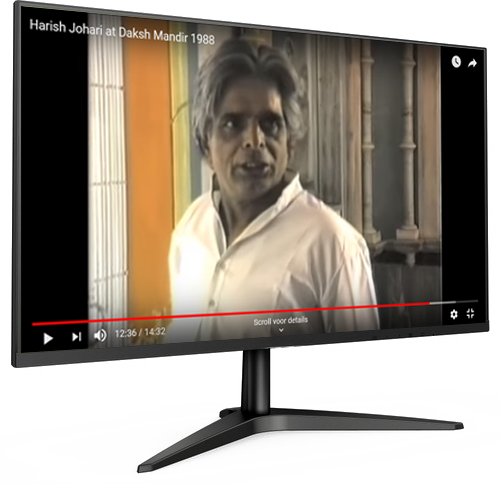
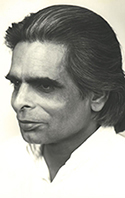 Sanatan Society is an international networking association of students of the late Harish Johari, joining efforts to promote his teachings of yoga philosophy, tantra, worship, art and love. Sanatan Society stands
for the original, universal and eternal truth, path or law of yoga.
Though it is Hindu in origin, Sanatan Society is not limited to any religion,
race, time or country, nor in fact to any particular organisation. More about Sanatan Society...
Sanatan Society is an international networking association of students of the late Harish Johari, joining efforts to promote his teachings of yoga philosophy, tantra, worship, art and love. Sanatan Society stands
for the original, universal and eternal truth, path or law of yoga.
Though it is Hindu in origin, Sanatan Society is not limited to any religion,
race, time or country, nor in fact to any particular organisation. More about Sanatan Society...