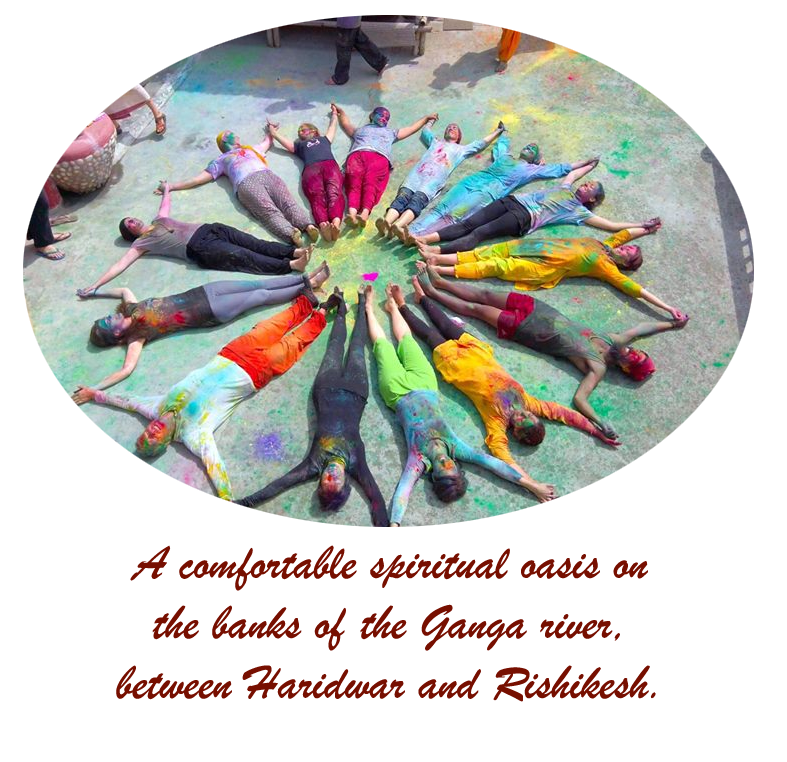
To spread the original, universal and eternal truth, path or law of yoga, which remains forever the same in essence, yet always adapts to the time and place.
|
To spread the original, universal and eternal truth, path or law of yoga, which remains forever the same in essence, yet always adapts to the time and place. |
|
 The
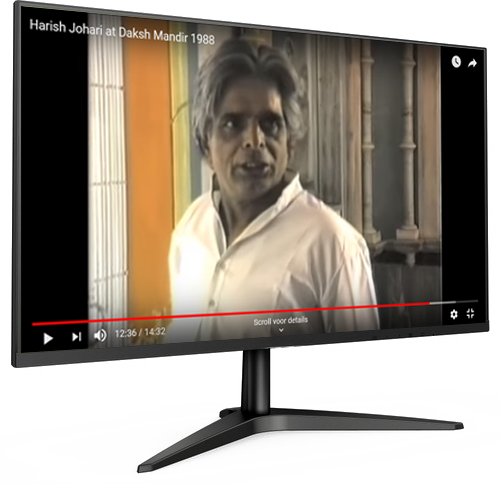
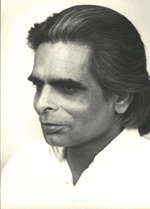
history of Harish Johari starts at birth on the 12th of May 1934
in Faridpur, a small village in Uttar Pradesh, India.
The
history of Harish Johari starts at birth on the 12th of May 1934
in Faridpur, a small village in Uttar Pradesh, India.
In 1937 the family moved to their ancestral home in Bareilly. From childhood Harish Johari was gifted with sharp intelligence, amazing memory and multiple artistic talents. At the age of three he delivered a speech and recited revolutionary poems at an Arya Samaj meeting, where the Vedas and Dharma were discussed.
A considerable portion of his wide knowledge and talent came from his family background. His father, Bankey Behari Lal Johari, a magistrate, practitioner of vedic astrology, Hatha Yoga and student of Vedanta and his mother, Tara Devi, served as role models for him. That was also true for his grand uncle, Acharya Chandrashekar Shastri, who had a great command of many subjects and wrote more than one hundred books.
In 1948 Harish's father was appointed as a judicial magistrate to Basti, a post that brought frequent changes of residence and transfers to Jaunpur, Banda, Rampur, and Saharanpur. Thus Harish Johari received his education in many different cities. In Jaunpur he made his B.A. I in 1953, and also joined the wrestling ground, where famous wrestlers of his country instructed him in wrestling, body culture and massage (see his book Ayurvedic Massage, in the Preface).
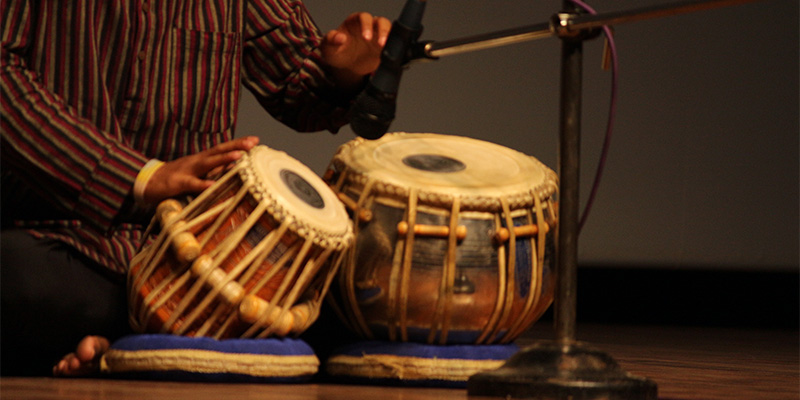
In Rampur Harish came into a circle of poets and musicians, among which Jagdish Mohan, a well known singer and composer, who became his lifelong friend. Music was another field in which his creativity and his power of analysis matched. The effects of sound on consciousness and the nervous system had always facinated him. His findings and knowledge found a form and synthesis in his meditative music compositions and in the teachings that he was invited to give in the West. You can find an overview of his music and mantra recordings here.
In 1957 Harish completed his M.A. II in Philosophy at the College in Bareilly. In 1959 he obtained his M.A.I in Urdu at the University in Lucknow. His skills in Urdu poetry brought him in the company of Sufi Saints and he gained a reputation at poet gatherings and competitions.
At the death of his father in 1960, Harish returned to his home in Bareilly to give support to his mother and his six unmarried brothers and sisters. He was 26 at the time. In 1961 he was employed as secretary and translator in the Lummus Company in Bareilly. After his wedding in 1962, he left his job and made sculpting his profession, having worked with clay sculptures from childhood onwards.
The first order Harish got was to make a huge sculpture of the monkey god Hanuman for a temple in Bareilly. While sculpting in temples for longer periods of time, he came in close contact with the saints who lived there. He questioned them about a wide range of subjects connected to the sculptures he was making, the gods they represented and the yags and sadhanas that come with worshipping them. Harish Johari began to see that everything is interwoven and developed his own, though typically Hindu, unified view on matter, spirit and mind. But most of all the work in the temples made him a noble "Bhakta", a lover and worshipper of God.
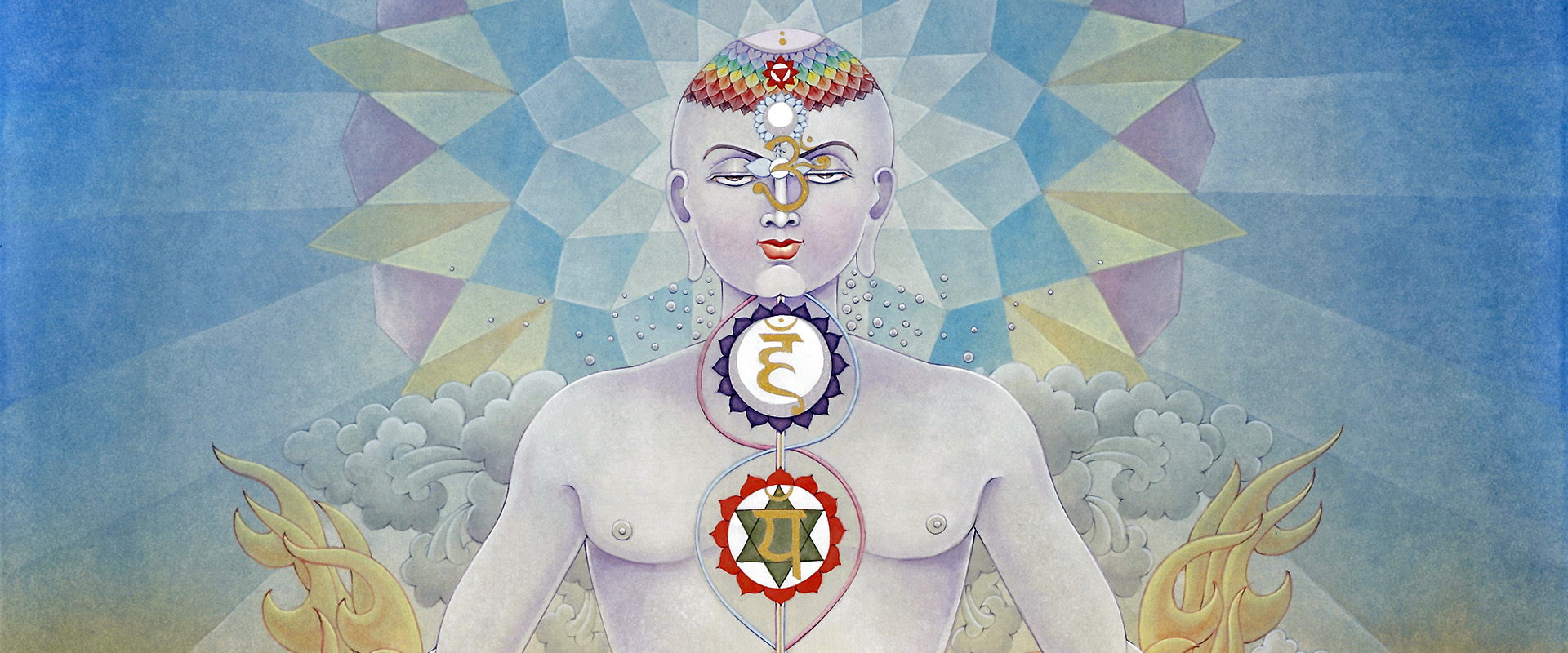
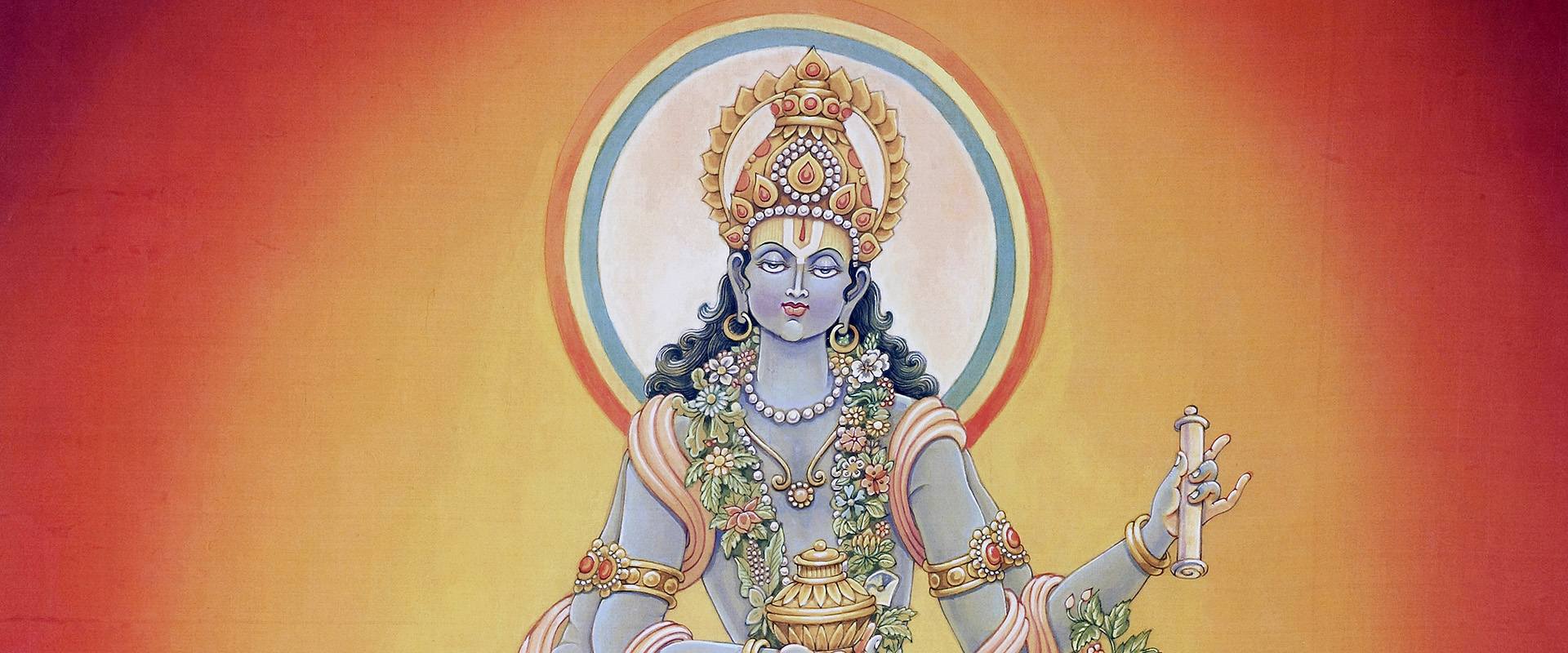
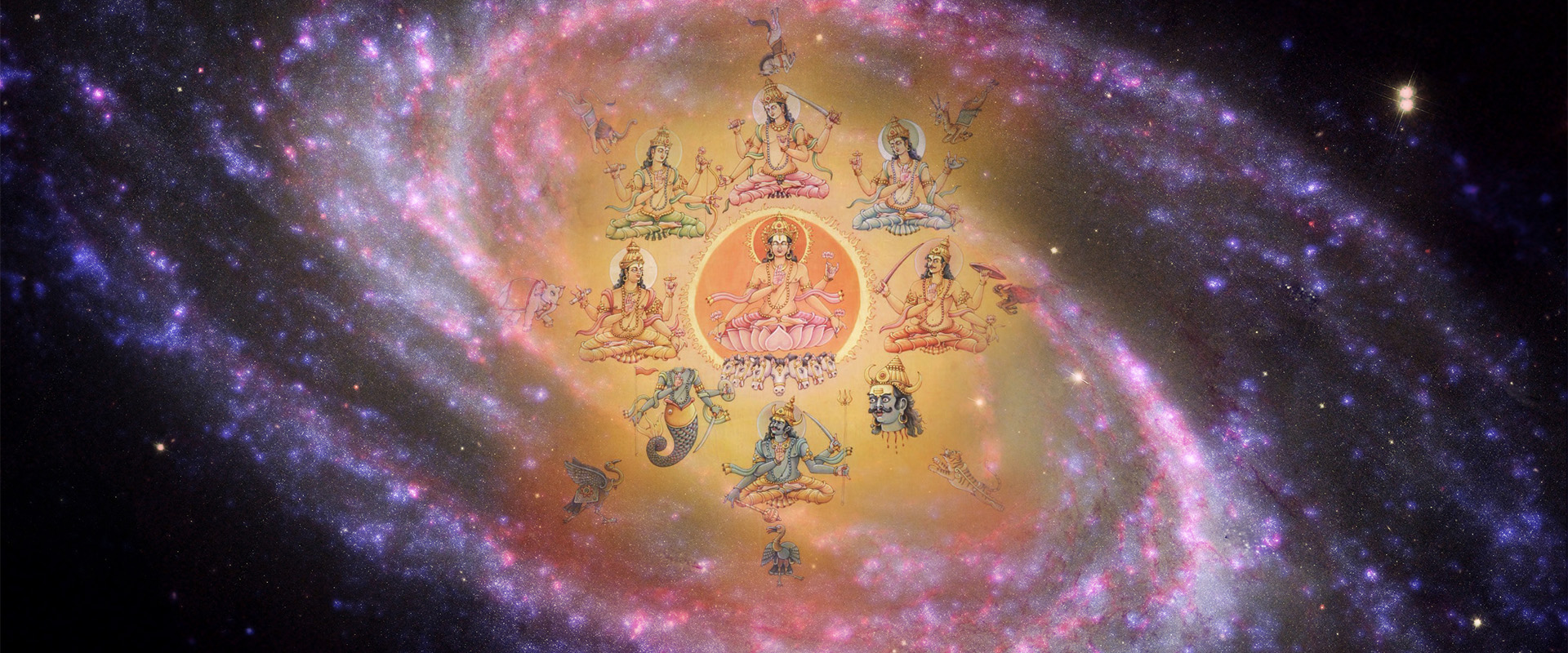
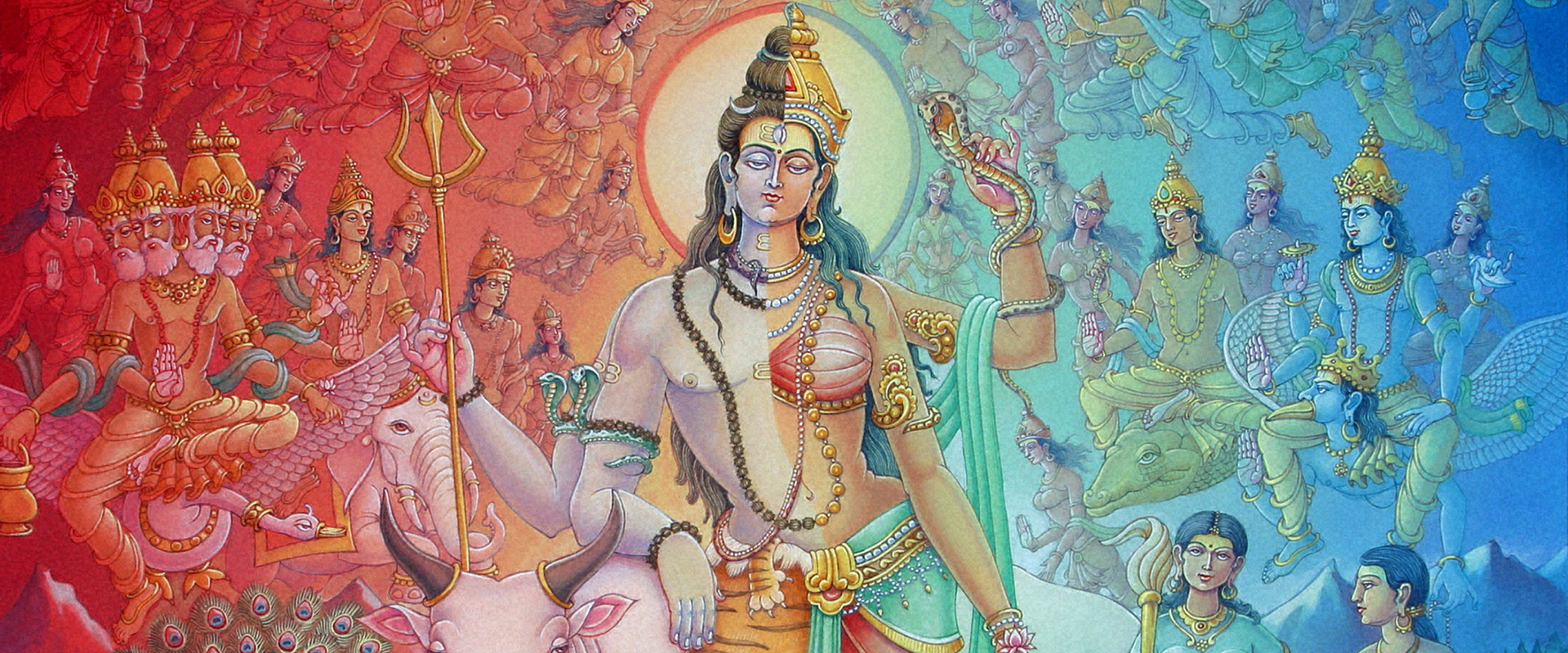
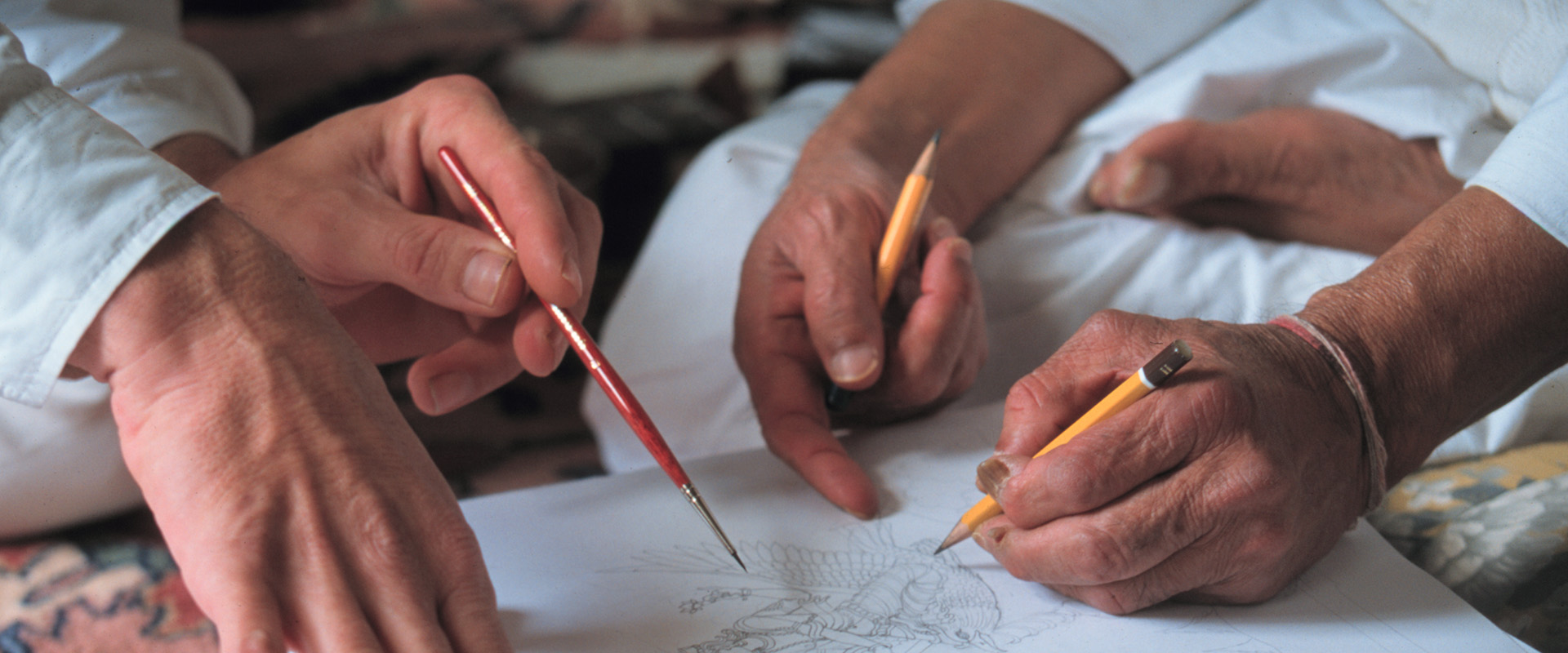
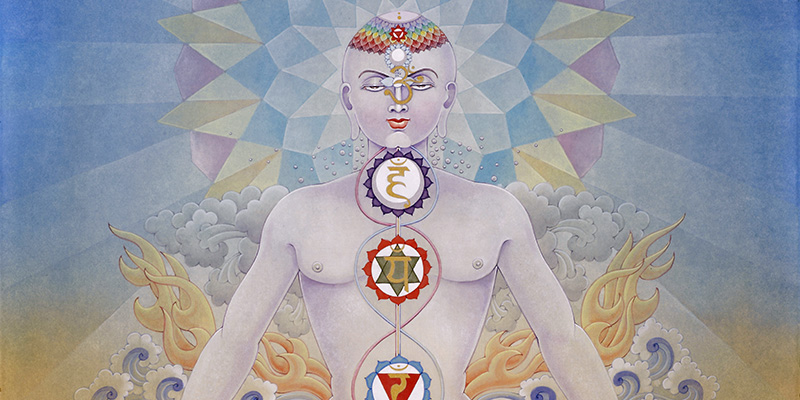
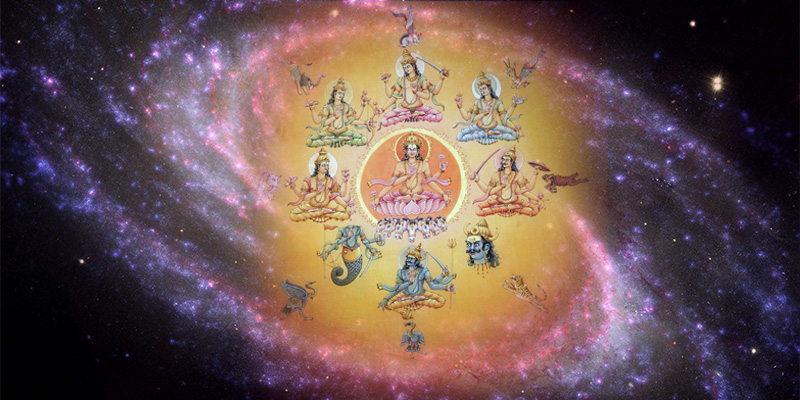
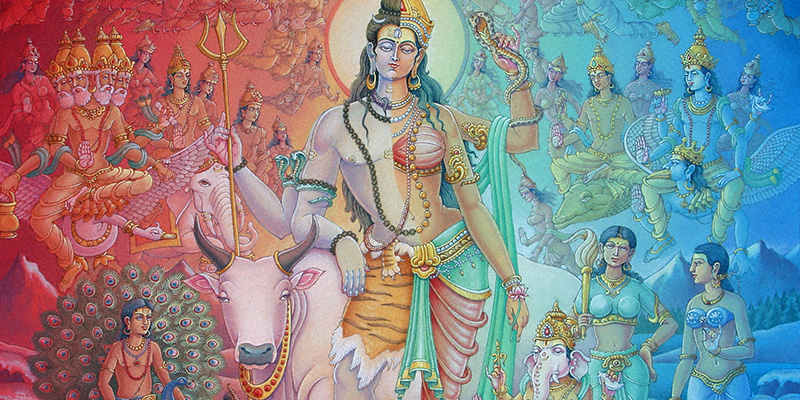
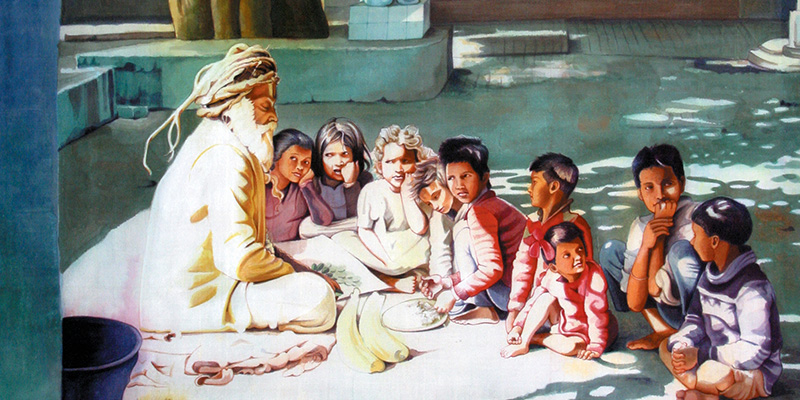
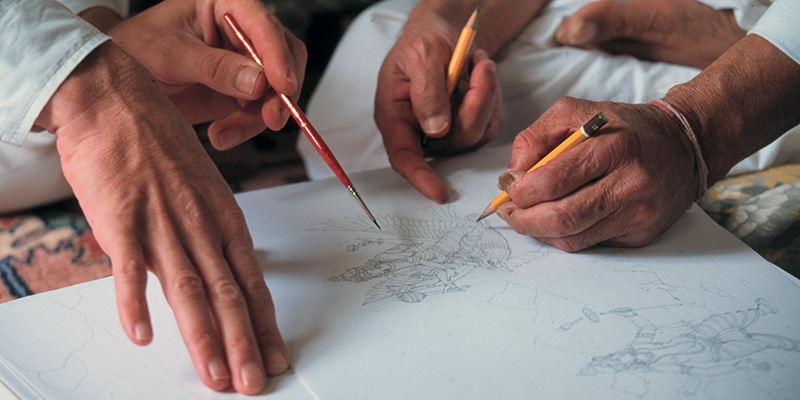
Simultaneously he developed his painting skills, of which the current Harish Johari Paintings Gallery only gives a very limited overview. It was a family tradition to paint the life story of Lord Krishna on a wall as a fresco, every year on Krishna's Birthday. Yet his special style of painting evolved with the help and guidance of his art teacher, Master Chandra Bal in Bareilly (see the Harish Johari Wash Painting Technique).
In 1967 Harish met David Padwa and Dr. Richard Alpert, who later became known as Baba Ram Dass, as mentioned in Baba Ram Dass's book "Be here now". In 1969 Harish Johari was invited to America to work on a film project. Although the project got canceled, it brought another opportunity for him to fulfil a part of his destiny. Once in the U.S., Harish Johari was introduced to artists, scientists and scholars, who were interested in the ancient wisdom of Hinduism philosophy and Indian culture. He was around 36 at the time. Scholars, medical doctors, psychiatrists, psychologists and artists were asking questions and he explained to them the principles of Ayurveda, Swara Yoga, Tantra, Chakras, mantras and their effect on consciousness, as well as many other sciences.
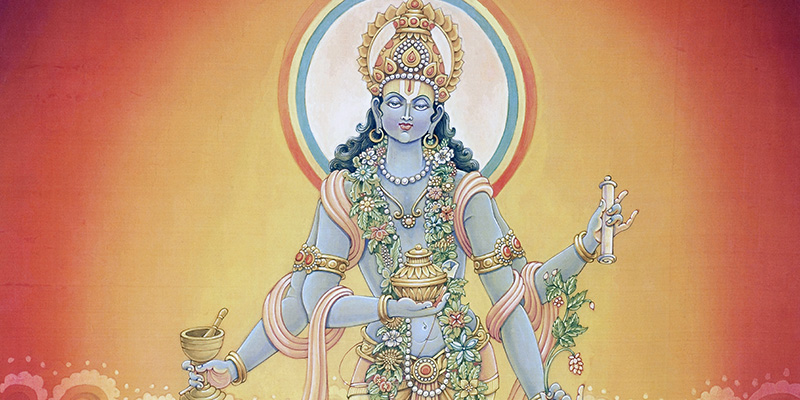
In 1974 the first book "Dhanwantari" by Harish Johari was published in America, followed by "Leela - the game of Cosmic Consciousness". In that same year, at the age of 40, Harish decided to return with his family to India.
From 1976 onwards, Harish regularly visited America and Europe where he lectured on many subjects such as painting, indian psychology, chakras, dreams, numerology, etc… That year also, the famous "Chakras" book was published for the first time and this in Germany.
In 1978 his paintings were for the first time exhibited at an art gallery in Amsterdam. Postcards of the planets and posters of the gods were printed by Verkerke in Holland. In 1983 Harish met Ehud Sperling in New York, who soon became the publisher of all his books and music cassettes and a close friend and confidant.
From 1986 onwards, Harish Johari produced 5 books in only 4 years time : "Tools for Tantra" in 1986, "The healing Power of Gemstones" and "Ayurvedic Healing Cuisine" in 1988 (first in German), "Breath, Mind and Consciousness" in 1989 and "Numerology" in 1990. Later came the "Ayurvedic Massage" book in 1996.
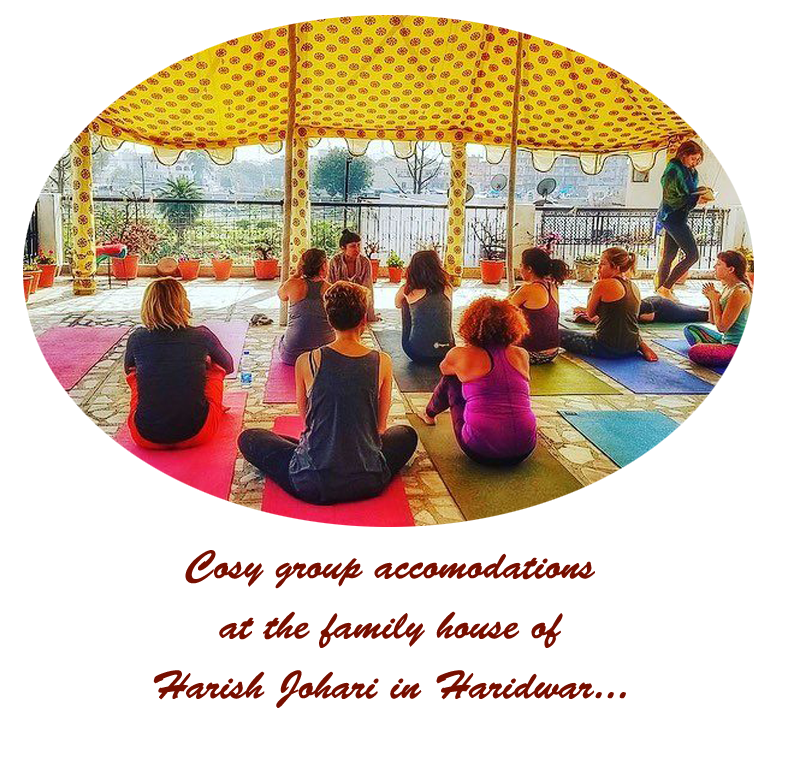
In 1997 Harish Johari shifted with his family to Hardwar, knowing from his 104 years old Astrologer, Swamiji Narayan Rishi, that he would have to face a death inflicting astrological constellation.
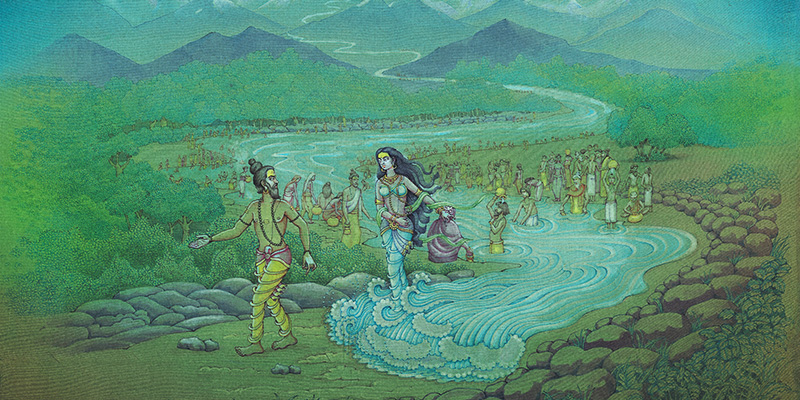
Though in these years he was focusing mostly on his students, Harish Johari was still writing a lot. "The Birth of the Ganga" was published in 1997 and the "The Monkey and the Mango Tree" in 1998.
Harish Johari left his body on August 20, 1999, at his home in the holy town of Hardwar. He was a complete human being, who enjoyed life as divine "leela", a play of cosmic consciousness. He lectured and taught the art of living in awareness, knowing that all knowledge only lives when it is shared with others.
The revised edition of the "Chakras" Book was the last manuscript Harish was working on. It was edited and published after his death. Another project, "The Planet Meditation Kit" came out at the end of 1999.
With the recent publishing of the new "Little Krishna" book, Harish Johari's life's work and writings continue with the help of his youngest daughter, Sapna Johari, who lives in India, and his other students around the world. His brother Suresh Johari created the sketches and concept for Little Krishna and his long-time Dutch student Pieter Weltevrede created the finished color illustrations.
 Guru Brahma, Guru Vishnu, Guru Devo Maheshwara, Guru Saksat Parabrahma, Tasmae Shri Guruve Namaha
 Sanatan Society is an international networking association of students of the late Harish Johari, joining efforts to promote his teachings of yoga philosophy, tantra, worship, art and love. Sanatan Society stands
for the original, universal and eternal truth, path or law of yoga.
Though it is Hindu in origin, Sanatan Society is not limited to any religion,
race, time or country, nor in fact to any particular organisation. More about Sanatan Society...
Sanatan Society is an international networking association of students of the late Harish Johari, joining efforts to promote his teachings of yoga philosophy, tantra, worship, art and love. Sanatan Society stands
for the original, universal and eternal truth, path or law of yoga.
Though it is Hindu in origin, Sanatan Society is not limited to any religion,
race, time or country, nor in fact to any particular organisation. More about Sanatan Society...